
The Complete Guide to HDD Design for Oil & Gas Pipeline Projects
Trenchless technology makes it possible to install critical infrastructure through some of the world's most challenging environments, without the level of surface disruption associated with traditional excavation. Rivers, roads, railways and environmentally sensitive areas can all present significant challenges for pipeline construction, but HDD provides a way to navigate these obstacles underground.
However, a successful HDD project does not begin when the drill starts. It begins with meticulous planning and design.
From route selection and ground investigation through to bore geometry, pipe installation and guidance, every stage needs to work together. Experience in the field matters just as much as what is on the drawing board, particularly when projects involve complex ground conditions, long routes or critical pipeline infrastructure.
At Prime Horizontal, our HDD expertise brings together careful planning, technical precision and real-world field experience to help projects move from design to installation with confidence.
The Use of Trenchless Technology for Oil and Gas Pipelines
As environmental protection becomes an increasingly important consideration in pipeline development, projects must assess and mitigate their potential impact on watercourses, groundwater and sensitive habitats. The UK Government's National Policy Statement for Gas Supply Infrastructure and Gas and Oil Pipelines (EN-4) identifies Horizontal Directional Drilling as a potential mitigation measure for certain environmental impacts, helping pipelines cross sensitive features while reducing surface disturbance.
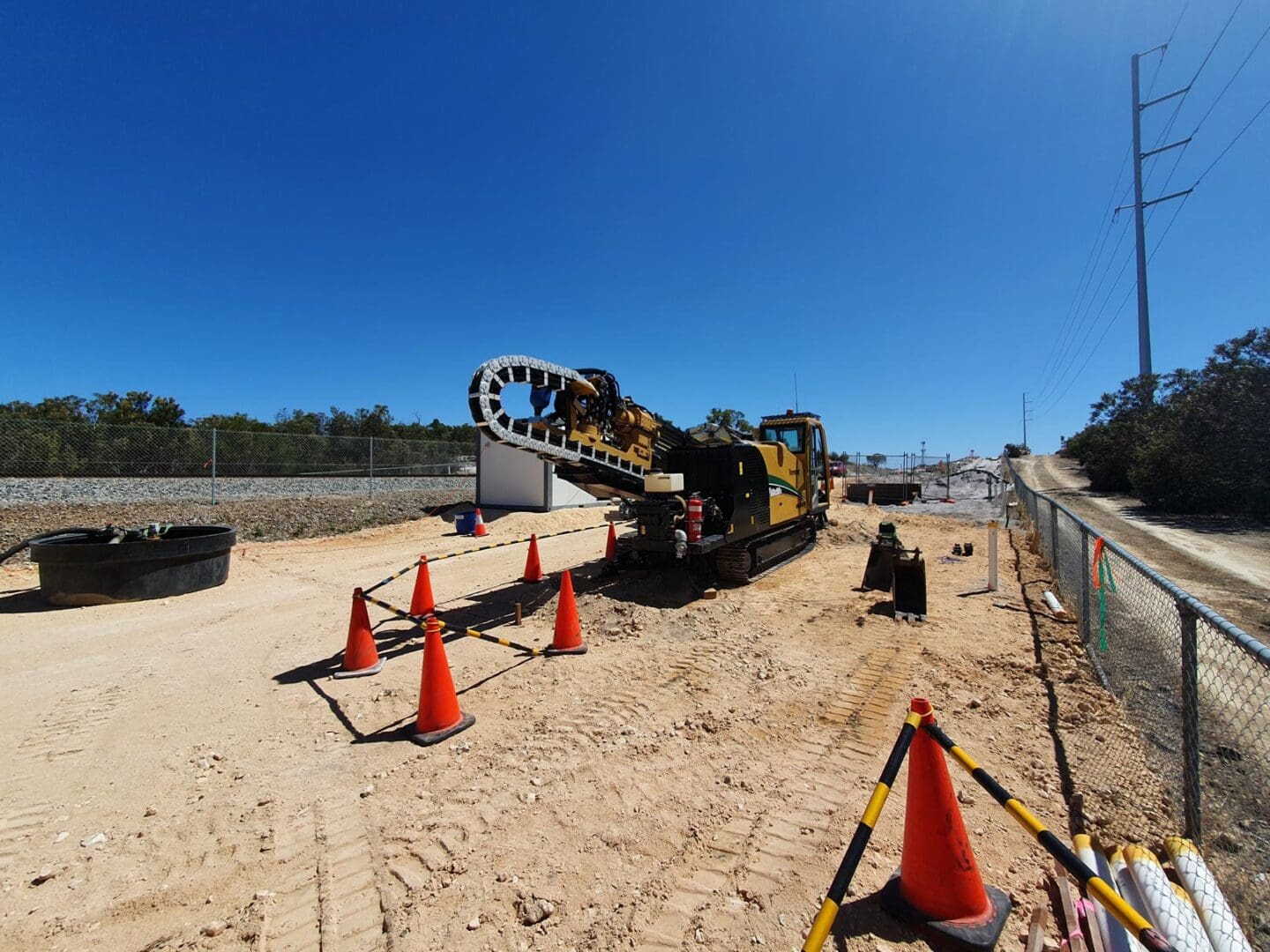
For major oil and gas infrastructure, trenchless technology offers a controlled way to install critical pipelines through technically demanding environments. Whether supporting offshore rigs, onshore production facilities, or connections between key assets, it can reduce the need for extensive excavation. All whilst working within complex geological, environmental, and operational constraints.
That makes trenchless technology, such as HDD, particularly valuable on projects with limited construction access and significant consequences if the bore is wrong.
These projects also bring specific engineering considerations. When developing the HDD design, consider pipeline diameter, wall thickness, operating requirements, coating protection, installation stresses, and clearance from existing infrastructure.
HDD Design for Oil and Gas Projects
When planning an HDD project for an oil and gas pipeline, precision starts with preparation.
The first stage is establishing suitable pipeline routes, including the required length, entry and exit locations, available working areas and the position of existing infrastructure. The proposed bore also needs to account for the physical constraints of the site and the requirements of the pipeline itself.
From there, geological and geotechnical information helps build a clearer picture of the conditions beneath the surface. Understanding subsurface conditions, including geology, groundwater, ground strength and mixed-face conditions, is critical to developing a suitable HDD design.
The bore profile can then be developed around these conditions. Depth, alignment, entry and exit angles, bend radius and clearance from existing infrastructure all need to be considered together, rather than in isolation.
For oil and gas pipelines, the relationship between the bore and the product pipe is particularly important. The design needs to account for factors such as pipe diameter, wall thickness, coating, pullback forces, bending and installation stresses, ensuring the proposed bore profile is suitable for the pipeline being installed.
HDD Guidance: Keeping the Bore on Design
Once the bore design is established, accurate guidance is essential to keeping the pilot bore within its planned alignment. Guidance systems provide information on the drill head's position, direction and depth as drilling progresses, allowing the team to monitor the bore and make adjustments where required.
Prime Horizontal uses ParaTrack guidance systems to provide accurate positioning data throughout the pilot bore. The technology helps engineers monitor the bore's location and trajectory in real time, supporting informed steering decisions and helping keep the installation aligned with the original design.
For oil and gas pipelines, that level of control matters. Guidance is not simply about getting the pilot bore from A to B. It helps ensure the bore geometry stays within the parameters established during design, supporting a controlled installation through reaming and pullback.
Managing Risk During HDD Installation
Even a well-designed HDD route can encounter challenges once drilling begins. Changing ground conditions, bore deviation, excessive downhole pressure, existing infrastructure and unexpected drilling conditions can all affect the installation.
Good planning and accurate guidance help engineers identify and respond to these risks as the bore progresses. Prime Horizontal's ParaTrack-2 system can provide real-time positional data, while its Pressure While Drilling capability monitors downhole pressure to help reduce the risk of drilling fluid breakout and other operational issues.
The key is having the right combination of design, guidance and field expertise. Conditions do not always follow the plan, so experienced engineers need the information and flexibility to make informed decisions as the project develops. Prime Horizontal's approach brings that expertise from project design through to completion.
Designing for a Successful Project
A successful oil and gas HDD pipeline starts with understanding the ground, designing the bore around the pipeline and having the right guidance strategy in place.
Prime Horizontal supports HDD projects with specialist guidance and technical expertise, helping clients navigate precision projects with greater control and confidence.
Discuss your next HDD project with our team!